Stop the brain rot! 12 ways to stay sharp in a mind-frazzling world
Experts share ways to stay mentally engaged, from challenging activities and exercise to sleep and time away from screens.
Read more
01THE MOVEMENT AGAINST BRAINROT
The movement to rebuild focus in the age of BrainRot.
BrainReboot helps people understand digital overstimulation, reflect on their habits, and take practical steps toward better brain health and cognitive function.

02RECOGNITION
We no longer just use our phones. We reach for them in silence, boredom, stress, waiting, and fatigue.
When every pause becomes a moment of stimulation, the brain has fewer opportunities to rest, reset, and stay engaged with one thing at a time.
Over time, these habits can affect how we focus, manage our energy, and move toward the goals that matter to us. We may feel mentally tired even after taking a break, struggle to stay with important tasks, and find it harder to turn intention into action.
Every empty moment becomes a reason to check, scroll, or refresh.
Impact: The brain gets fewer opportunities to mentally recover, which can leave us feeling constantly stimulated and mentally tired.
Apps open before intention. Scrolling becomes an automatic response to boredom, stress, or discomfort.
Impact: Time and attention are pulled away from work, priorities, and personal goals, making it harder to turn intentions into real progress.
Silence feels uncomfortable. Waiting becomes scrolling.
Impact: When every empty moment is filled with stimulation, we lose valuable space for reflection, imagination, problem-solving, and thinking through ideas.
Constant switching makes deep focus harder to maintain.
Impact: Important tasks take longer, thinking becomes more fragmented, and it becomes harder to produce focused, meaningful work.
03THE BRAINROT DICTIONARY
Before changing a habit, it helps to understand what is happening.
Short videos and explainers break down the patterns behind digital overstimulation — how they affect our attention, energy, motivation, and everyday behavior.
BrainRot describes how excessive passive digital consumption — especially of endless, low-value, hyper-stimulating content — can gradually become a default habit, affecting attention span, mental clarity, and the ability to engage deeply with slower, more meaningful activities.
Watch BrainReboot videos04SELF-ASSESSMENT
You may not notice it while you scroll, but the cognitive damage is compounding.
The BrainReboot Test measures the exact toll the screen is taking on your mind. Uncover the hidden patterns behind your digital habits—from dopamine dependency and neurochemical whiplash to complete attention fragmentation. Find out if your brain is still in your control, or if the algorithm has taken over and your brain is under attack.
Discover Your BrainRot ProfileAn awareness and self-reflection tool, not a medical diagnosis.
01 / REFLECT
Illustrative animation · Example values, not a personal result
An awareness and self-reflection tool, not a medical diagnosis.
05THE BRAINREBOOT METHOD
The brain changes with repetition. The same way digital habits can shape how we focus, react, and seek stimulation, new habits can help rebuild healthier patterns.
When the mind is subjected to this cumulative cocktail of digital friction, relying on more software to fix the problem rarely works. Breaking these deep-seated dopamine loops requires a hard, physical reset. Engaging the hands in three-dimensional space—through tactile enigma games, spatial puzzles, and tangible mechanical challenges—forces a return to the present moment, actively rebuilding the attention circuits that passive screens dismantle.

You didn’t lose your attention span—you unknowingly trained it to be short by scrolling. Fortunately, the brain is malleable. By swapping digital habits for physical challenges, you actively forge new neural pathways, weakening addiction circuits and rebuilding cognitive endurance.
Constant digital interruptions leave behind an "attention residue" that destroys deep thought. Focus is a muscle you must rehabilitate. Anchoring your mind to a single, offline mechanical puzzle trains your brain to filter out noise and rebuild the capacity for uninterrupted concentration.
Algorithms hijack your brain with instant, unearned dopamine, making real life feel agonizingly slow. Recalibrate your reward center by trading "cheap dopamine" for physical tasks that require effort. This restores the profound satisfaction of delayed gratification.
Swiping flat screens overstimulates your eyes while starving your sensory system. Engaging your hands with tangible, weighted materials breaks the digital trance. Manipulating physical puzzles grounds your nervous system, pulling you out of the chaotic digital ether and firmly into the present moment.
Frictionless digital interfaces breed lazy, passive cognition. BrainReboot introduces "constructive friction." By facing a tangible puzzle that resists immediate solution, you force your brain to wake up. This desirable difficulty blocks instant gratification and shifts your mind from passive consumption back to active problem-solving.
The infinite scroll traps the brain in anxious, never-ending "open loops." Tangible enigma games offer what the digital world won't: a definitive ending. The satisfying, tactile conclusion of a physical puzzle provides absolute psychological closure, clearing mental bandwidth and satisfying your brain's need for completion.
Doomscrolling causes dissociative "time distortion," leaving you exhausted as hours vanish. In contrast, true "flow" is a restorative state where your skills perfectly match a physical challenge. Decoding mechanical puzzles induces this genuine flow, immersing you in the present and turning lost time into a space for focused mastery.
Constant connectivity floods your system with cortisol, locking you in a low-grade "fight or flight" state. Engaging in a slow, tactile challenge acts as a biological grounding technique. This rhythmic, unhurried focus signals safety to your body, actively lowering your heart rate and allowing your nervous system to decompress.
We are 3D beings flattened by 2D glass screens, which weakens our spatial reasoning and hand-eye coordination. Holding, rotating, and decoding a 3D mechanical puzzle reactivates your brain's spatial processing centers. It reconnects motor skills with visual logic, engaging your mind in ways a flat screen simply cannot replicate.
06COMMUNITY & EVENTS
BrainRot is not an individual problem. It is becoming a shared challenge across generations, schools, families, workplaces, and communities.
BrainReboot brings together people who want to better understand digital overstimulation, share experiences, explore solutions, and rethink the role technology plays in our daily lives.
Hear from researchers, psychologists, educators, creators, and other experts exploring attention, digital behavior, cognition, and modern technology.
Participate in offline experiences designed around focus, creativity, tactile challenges, discussion, and active engagement.
Discover how others experience digital overload, what they are changing, and what helps them regain more control.
Follow BrainReboot’s evolving work, educational content, collaborations, and future initiatives around digital overstimulation.
07NEWS & ARTICLES
Research, expert perspectives, cultural trends, and practical insights about digital overstimulation, attention, cognitive health, technology, and the way our digital habits are reshaping everyday life.
Discover the latest BrainReboot articles, interviews, explainers, research highlights, and movement updates.
 Brain health
Experts share ways to stay mentally engaged, from challenging activities and exercise to sleep and time away from screens.
Read more Digital culture
A look at how young people are trying analog hobbies, social activities, and intentional breaks from their feeds.
Read more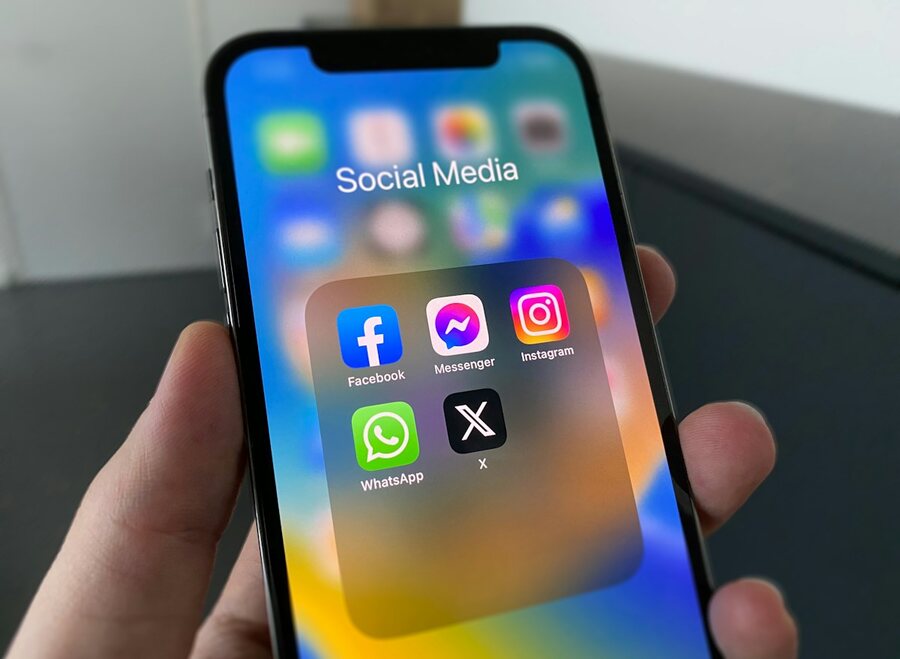 Attention
An overview of research and expert views on how repeated exposure to low-value online content may affect attention and cognition.
Read more